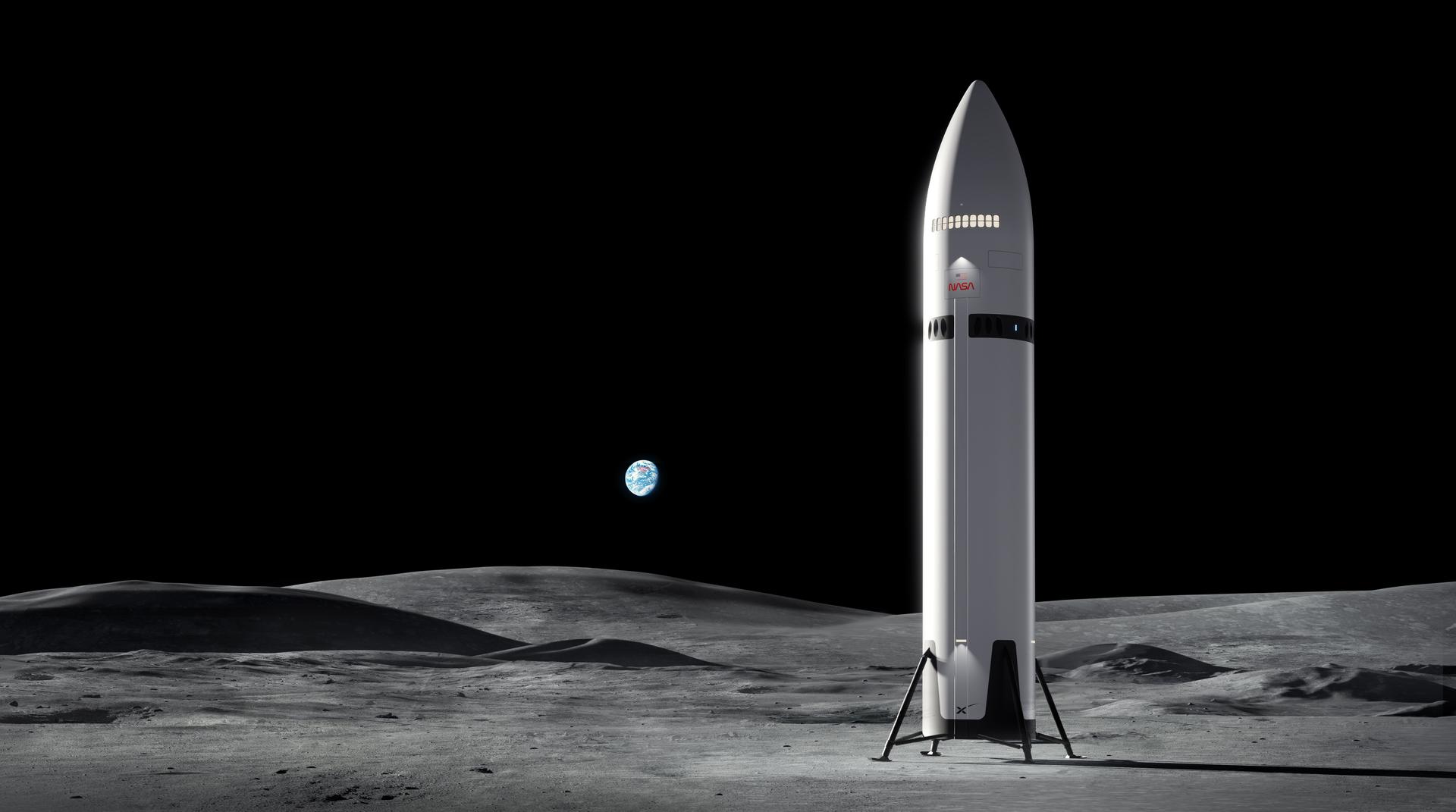
Inside the stack · 03
Who builds Starship’s road to the Moon?
Starship’s first orbital cargo flight flew September 28. Follow the path to Moon cargo through HDR, Lerch Bates, Thompson, Axiom Space, Lockheed Martin, Toyota and JAXA.
Read the storyThis page did not load.
Start with a flight, a company, or the map. The record is the same in every room.
Upcoming flights. Open one for who flies it, what is on board, and the public money.
CompaniesCompanies on the next flights. Open a name for the jobs and the hardware.
NASA Moon BaseCargo I, II, III at the south pole. Crew in parallel on Artemis. A walk, not a list.
Open a flight for who flies it, what is on board, and the public money.
Open a company for the jobs, the hardware, and the flights they sit on.
Inside the stack · 03
Starship’s first orbital cargo flight flew September 28. Follow the path to Moon cargo through HDR, Lerch Bates, Thompson, Axiom Space, Lockheed Martin, Toyota and JAXA.
Read the story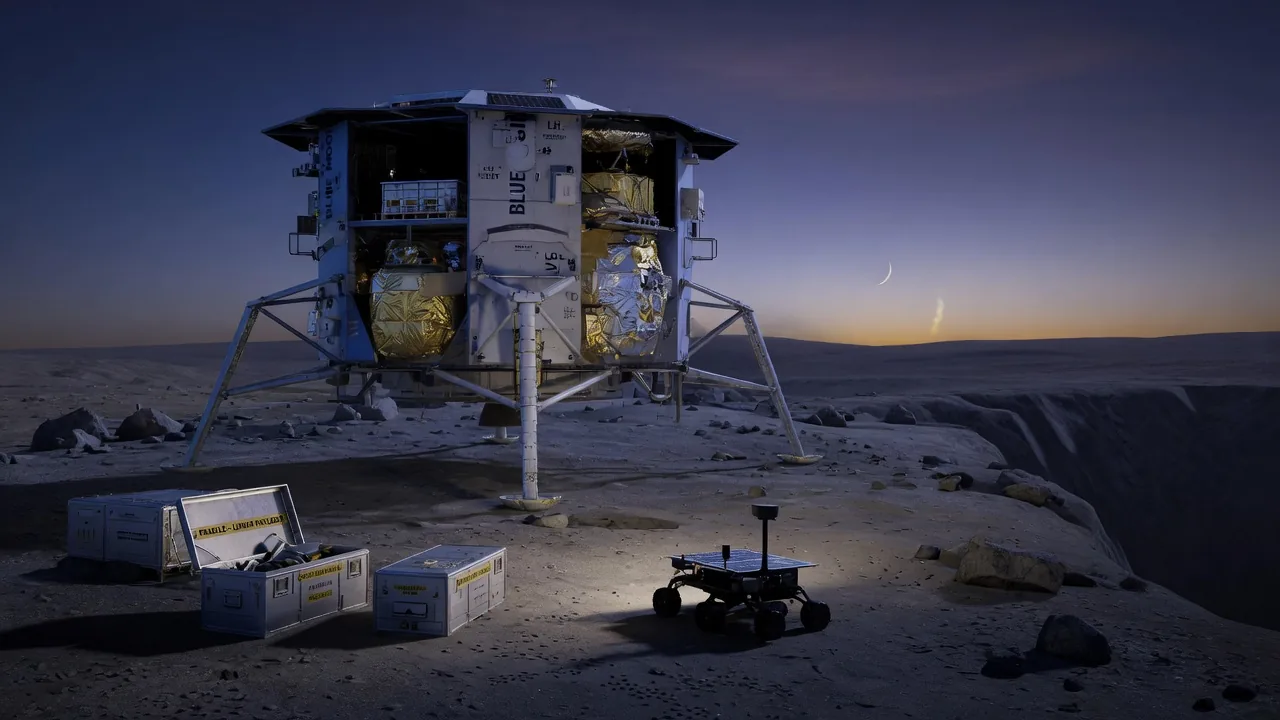
This is NASA's cargo-first Moon Base: landers put hardware on the land, then crew arrives. I, II, and III are NASA names, not fly order. Griffin-1 (II) is first on the clock.
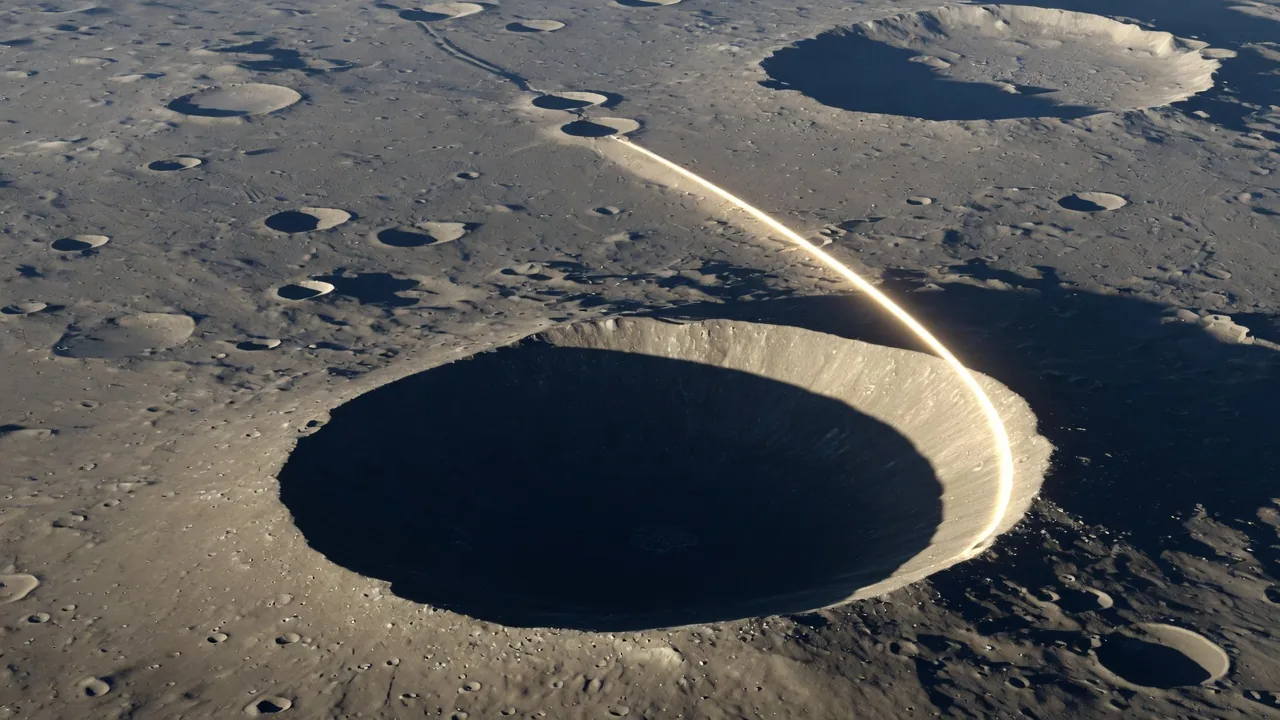 Landing map
Every public flight on the site it headed for. A globe of records, not a game map.
Open the mapLetters, flight files, and packs. Same named facts as the site. The price is for the PDF, not a ride.
Lunar site selection · modern era
Each flight sits on the site it headed for: landed, tipped, hard landing, or planned. Crew and orbit flights stay off the plate. One photograph of the near side, and a plotted chart of the south pole. Click a flight to open its Moon Imports record.
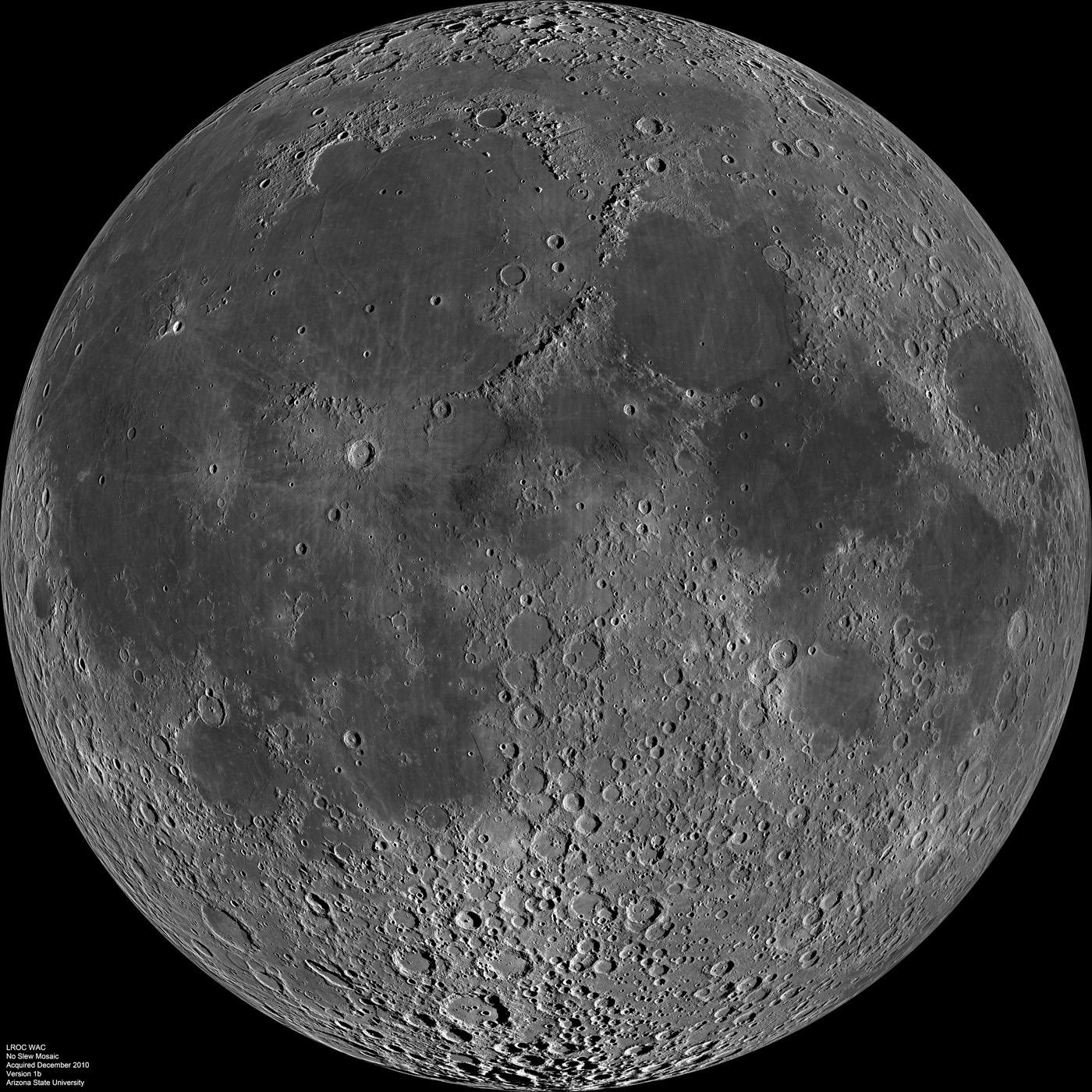
Photograph: NASA / GSFC / Arizona State University, LROC WAC nearside mosaic, public domain. The near-side plate is that photograph, clipped to the disk, under an orthographic graticule. The south pole plate is drawn, not photographed. Sites are the planned or intended target. Hard landings and flights that never arrived stay at the site they aimed for.
Program hub
A lasting presence at the south pole. NASA’s I, II, and III are names, not the order they fly. Cargo first. Crew in parallel.
| Mission | Who | Program | Rocket | When | Status | Cargo | Public $ |
|---|
Need a work PDF?
Pay on this page
Card stays with Stripe. You do not leave Moon Imports.
Change plan
One plan. Pick what you want next, then confirm the amount.
Inside the stack / 10
ispace is building ULTRA for its first landing on the Moon, Mission 3, on H3 in 2028. The lander has to reach the Moon on course, then set down and deliver its cargo. On 6 October 2026 the company selected ArianeGroup to supply the small thrusters that keep that route on course, and to install and test them.
Open the story ↓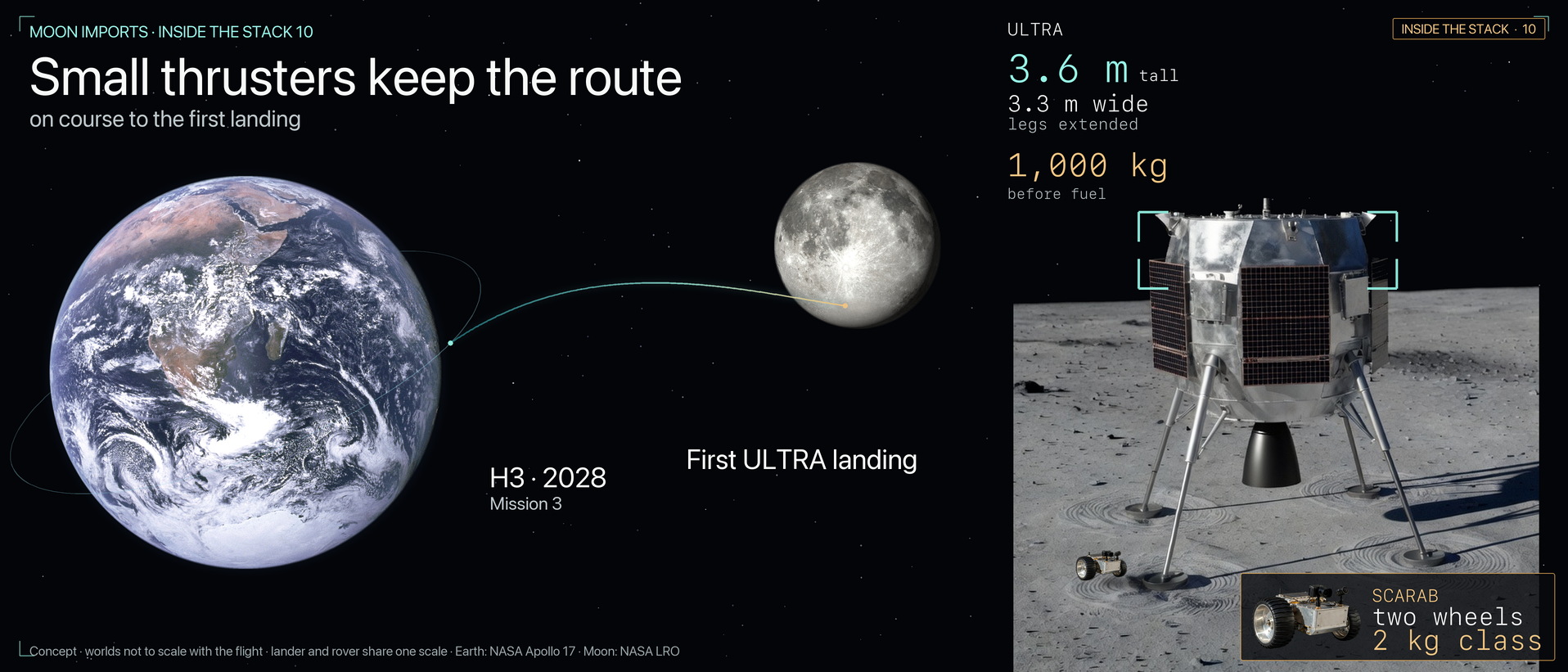
In short
Mission 3 is the first time ULTRA lands on the Moon. ispace builds the lander, a public research grant from Japan's Ministry of Economy, Trade and Industry pays for it, and Mitsubishi Heavy Industries launches it on an H3 rocket, currently scheduled for 2028. After the landing, SCARAB, a two wheeled rover in the 2 kilogram class from Unmanned Exploration Laboratory (UEL), is booked to photograph the lander and the other cargo during the lunar day.
On the way from Earth to the Moon, ArianeGroup supplies the small thrusters, installs them, and tests them. One set fires in short bursts so the route stays on course. The other set turns the lander so it faces the right direction. A separate engine lowers the lander. That engine replaces VoidRunner and has already operated on earlier missions to the Moon. The same lander flies again as Mission 4 in 2029, for a precise landing near the Moon's south pole.
01 / The lander
On 27 March 2026 ispace joined the lander its Japanese team was designing, Series 3, with the lander its U.S. team was designing, APEX 1.0. The company said the combined lander, ULTRA, is the one that will land on the Moon.ispace: ULTRA announcement, 27 March 2026 ↗
Mission 3 is the first time that lander flies. The flight is currently planned to launch in 2028. The same design flies again as Mission 4 in 2029. ispace's Mission 3 page gives the size. The lander stands about 3.6 meters tall. With the landing legs extended, it is about 3.3 meters wide. Before the fuel is loaded, it weighs about 1,000 kilograms. The most cargo it can carry is several hundred kilograms. That figure is the published capacity.ispace: Mission 3 page, published size and the 2029 flight ↗
A public research grant from Japan's Ministry of Economy, Trade and Industry pays for this lander. The grant is in a program called Small Business Innovation Research, which funds the company to build the flight. On 29 July 2026 Mitsubishi Heavy Industries signed the contract to launch Mission 3 on H3 and carry the lander toward the Moon. The launch is currently scheduled for 2028.ispace: Mission 3 page, SBIR grant ↗ ispace and Mitsubishi Heavy Industries: H3 contract, 29 July 2026 ↗
The cargo booked for the landing includes SCARAB, a rover from Unmanned Exploration Laboratory (UEL). It is a two wheeled rover in the 2 kilogram class. Under the agreement signed on 31 March 2026, its job on this first trip is to take pictures during the lunar day, including pictures of the lander and the other cargo.ispace and UEL: SCARAB agreement, 31 March 2026 ↗
The same Mission 3 page books the Taiwan Space Agency on this lander with two instruments: LVM, a magnetometer, and FLUTE, a camera.ispace: Mission 3 payload customers ↗
02 / The thrusters
The order covers two kinds of small thruster. Pulsing thrusters fire in short bursts, and each burst is a small push that keeps a flight on its route. Reaction control thrusters turn the lander so it faces the right direction. The engine that lowers the lander is a separate machine from these thrusters.
On 6 October 2026, at the International Astronautical Congress in Antalya, ispace selected ArianeGroup to supply pulsing thrusters and reaction control thrusters for the ULTRA landers. ArianeGroup also installs the thrusters and tests them before flight.ispace: agreement with ArianeGroup, 6 October 2026 ↗ ArianeGroup: lunar spacecraft agreement, 6 October 2026 ↗
The same day, ispace and ArianeGroup signed a memorandum, and ispace EUROPE and ispace-U.S. signed it with them. The memorandum explores further work beyond the ULTRA landers.ispace: memorandum, 6 October 2026 ↗ ArianeGroup: memorandum, 6 October 2026 ↗
ispace's announcement also says the companies will evaluate longer agreements for stable lander production.ispace: longer agreements, 6 October 2026 ↗
The October releases name the hardware for the ULTRA landers. On the Moon Imports record, that job is booked on Mission 3, the first flight, on H3 in 2028, and on Mission 4, which uses the same lander in 2029.Moon Imports: the ULTRA thruster job ↗ Moon Imports: the thruster hardware ↗
03 / Mission 4
Mission 4 uses the same ULTRA design as Mission 3, and the flight is planned for 2029.ispace: Mission 3 page, Mission 4 on the same design ↗
On 7 August 2026 ispace received a grant from the Japan Aerospace Exploration Agency (JAXA) through the Space Strategy Fund. The grant pays for a precise landing near the south pole, and for putting cargo down in the polar regions with the help of lunar communication relay satellites. The grant amount is 11.6 billion yen. The maximum remains 20 billion yen. Later reviews can change that figure, so the full amount is not yet certain. ispace expects Mission 4 to deploy a communications relay satellite into lunar orbit for the Lunar Connect Service, which relays data.ispace: Space Strategy Fund grant, 7 August 2026 ↗
The European Space Agency (ESA) and ispace EUROPE signed the Phase 2 agreement for MAGPIE on 2 September 2026. MAGPIE flies on Mission 4 in 2029. It investigates water ice, other frozen gases, and the surface material near the south pole.ispace: MAGPIE signing, 2 September 2026 ↗
The rover is designed to operate for roughly 10 Earth days.ESA: MAGPIE, roughly 10 Earth days ↗
Mission 4 → South pole grant → MAGPIE job → Lunar Connect relay →
04 / Hakuto-R
The October order follows an earlier one. Hakuto-R was the lander for Hakuto-R Mission 1 and Hakuto-R Mission 2.
For that program, ArianeGroup supplied the propulsion system, and the lander was assembled at Lampoldshausen, its site in Germany.ArianeGroup: Hakuto-R lander at Lampoldshausen, 29 June 2021 ↗
The October releases keep that Lampoldshausen work on the Mission 1 lander. The new selection is the ULTRA order: pulsing thrusters, reaction control thrusters, installation, and test.ispace: Mission 1 assembly, and the ULTRA selection, 6 October 2026 ↗ ArianeGroup: Mission 1 at Lampoldshausen, 6 October 2026 ↗
Hakuto-R propulsion job → Hakuto-R hardware → Mission 1 → Mission 2 →
05 / The landing engine
The engine that lowers ULTRA to the surface is a different machine from the small thrusters. The small thrusters work on the way from Earth. This engine does the last job: it slows the lander and sets it down. On 27 March 2026 ispace said the ULTRA engine replaces an earlier engine called VoidRunner. The new engine comes from another supplier and has already operated on earlier missions to the Moon. It is the engine for the ULTRA flights.ispace: ULTRA announcement, 27 March 2026 ↗
Where it stands
Mission 3 is the first ULTRA landing. ispace builds the lander, a Japanese government research grant pays for it, and Mitsubishi Heavy Industries launches it on H3 in 2028. The lander is about 3.6 meters tall and about 3.3 meters wide with the legs extended, and before the fuel is loaded it weighs about 1,000 kilograms. SCARAB, Unmanned Exploration Laboratory's two wheeled rover in the 2 kilogram class, is booked to photograph the lander and the other cargo during the lunar day.
ArianeGroup supplies the small thrusters, installs them, and tests them. One set fires in short bursts so the route stays on course. The other set turns the lander so it faces the right direction. The landing engine is the separate machine announced in March, the replacement for VoidRunner. Mission 4 takes the same lander toward a precise landing near the south pole in 2029. The August grant pays for that landing. The October agreement pays for the thrusters. The H3 contract is the Mission 3 launch. The same day ispace and ArianeGroup signed a memorandum, with ispace EUROPE and ispace-U.S., that explores further work beyond the ULTRA landers. ispace's release also says the companies will evaluate longer agreements for stable lander production.
Mission 3 → The job → The hardware → ArianeGroup →
Open the News kit · flight card for ispace Mission 3 ULTRA