Inside the stack · 13
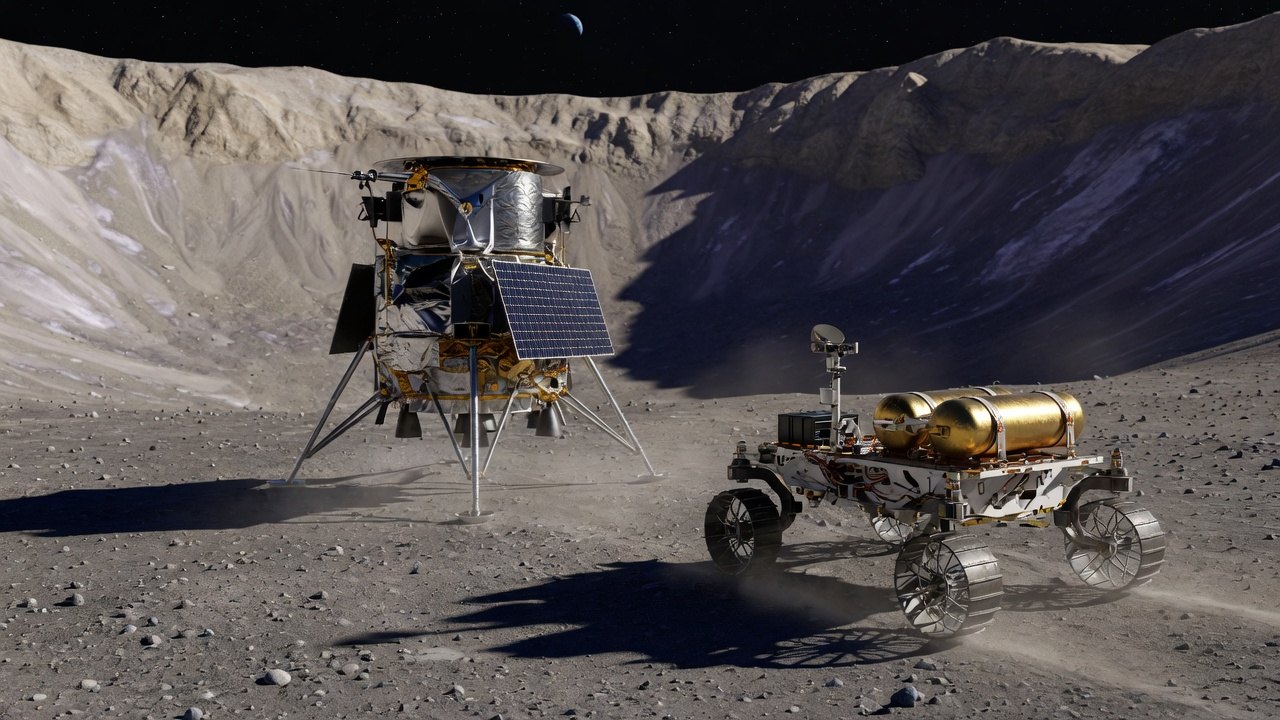
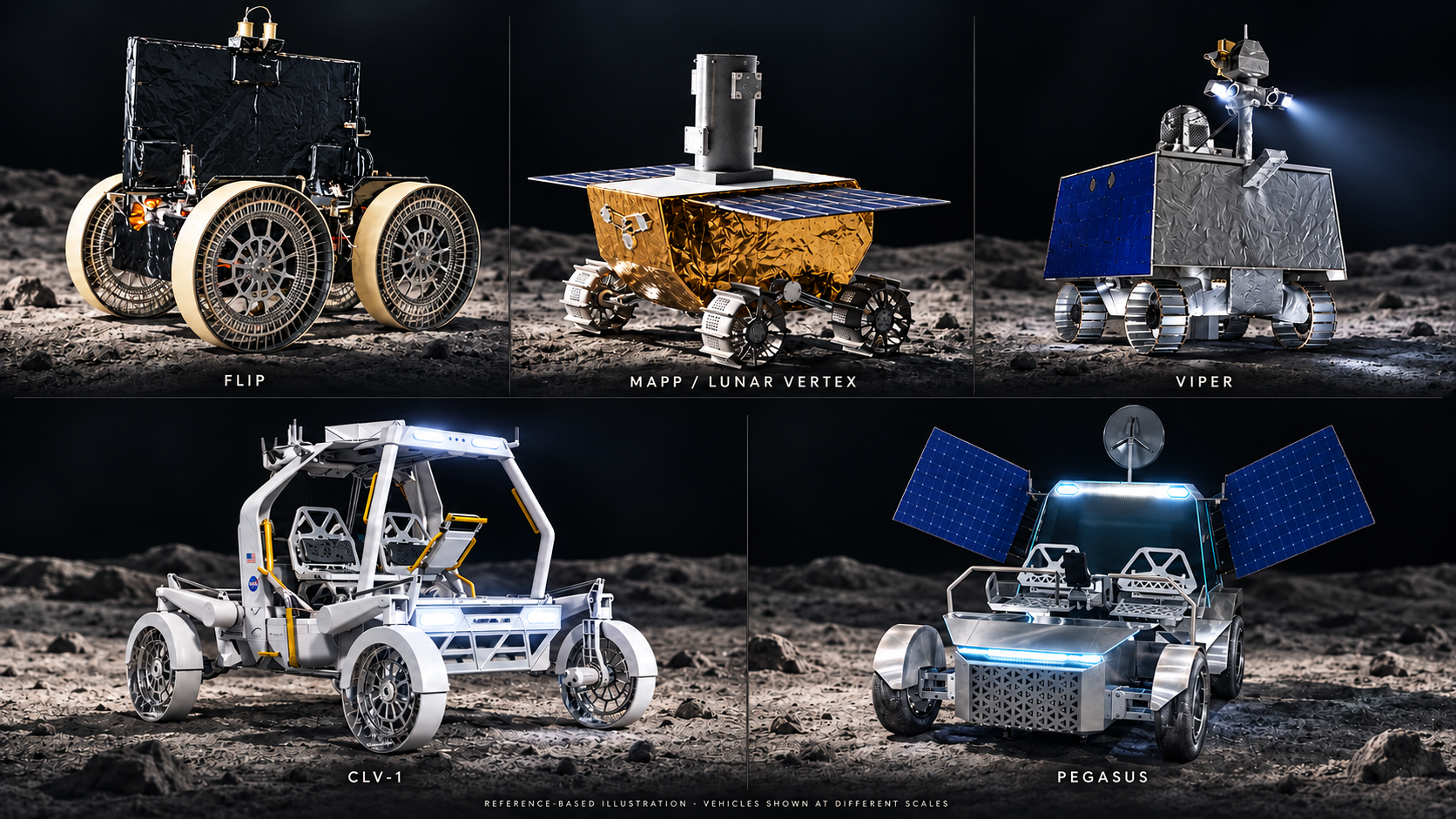
The rovers preparing for a Moon Base
Follow FLIP, MAPP and VIPER from their builders to their mission objectives, and see how robotic exploration can prepare the ground for Artemis astronauts.
Read the storyThis page did not load.
Start with a flight, a company, or the map. The record is the same in every room.
Upcoming flights. Open one for who flies it, what is on board, and the public money.
CompaniesCompanies on the next flights. Open a name for the jobs and the hardware.
NASA Moon BaseGriffin-1 targets November 2026, then Endurance and Trinity in early 2027. Artemis III docks in Earth orbit, targeted for Q3 2027.
Open a flight for who flies it, what is on board, and the public money.
Open a company for the jobs, the hardware, and the flights they sit on.
Inside the stack · 13
Follow FLIP, MAPP and VIPER from their builders to their mission objectives, and see how robotic exploration can prepare the ground for Artemis astronauts.
Read the storyInside the stack · 12
October’s power and surface mating calls set the next development steps toward NASA’s Moon Base. Follow the 2027 ground test target, relevant builders and mission records.
Read the story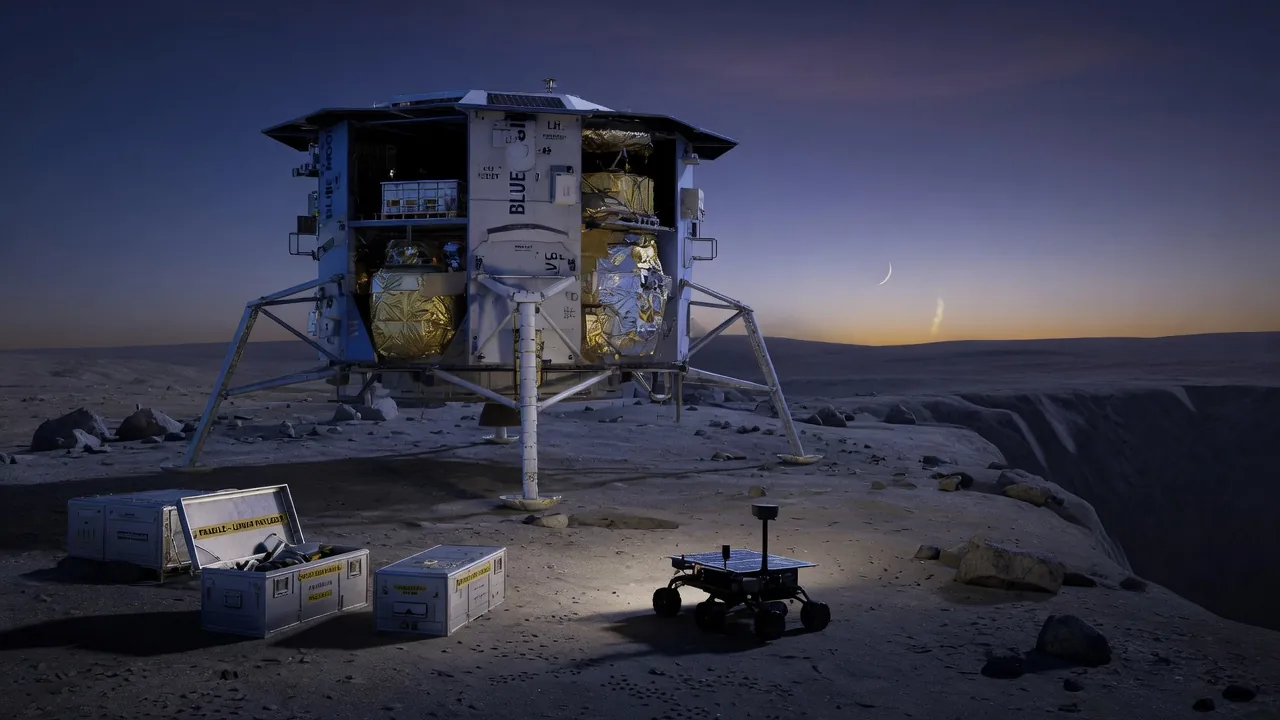
NASA's first three Moon Base landings: Moon Base II, Griffin-1, launches first, NET November 2026; Moon Base I, Endurance, and Moon Base III, Trinity, follow in early 2027.
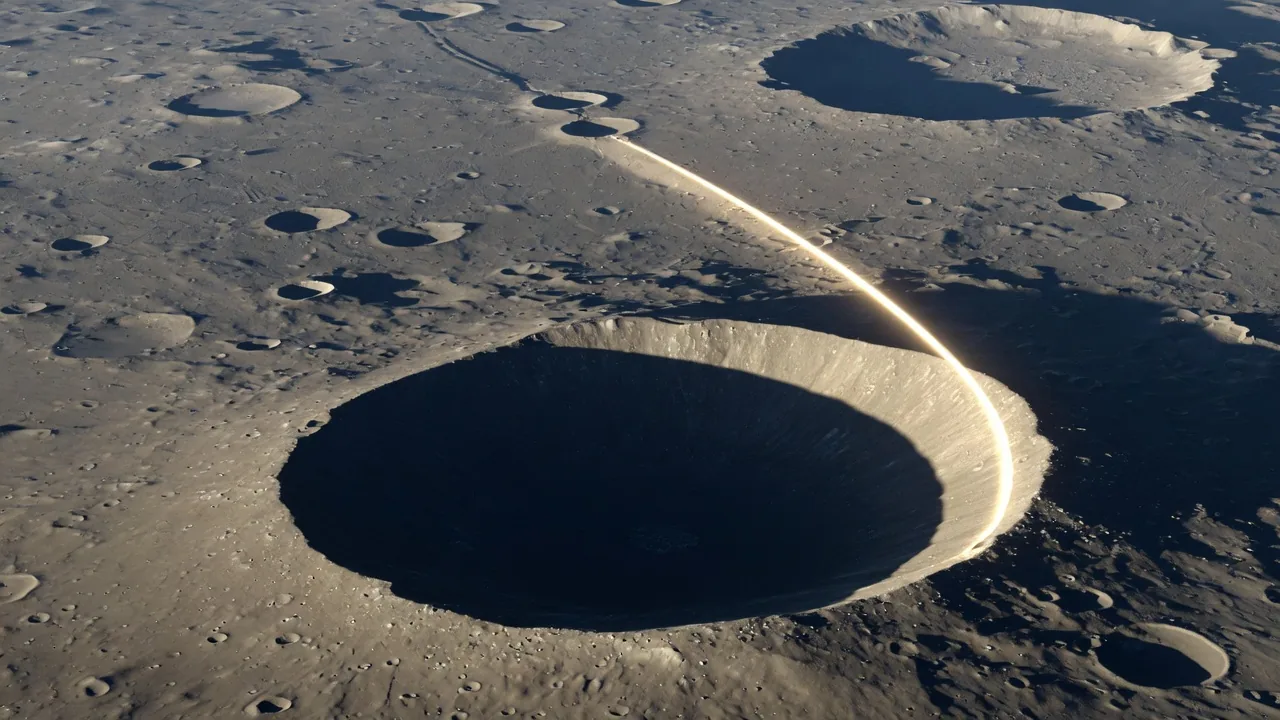 Landing map
Every public flight on the site it headed for. Each dot is a sourced record.
Open the mapLetters, flight files, and packs. Same named facts as the site. The price covers the PDF.
Lunar site selection · modern era
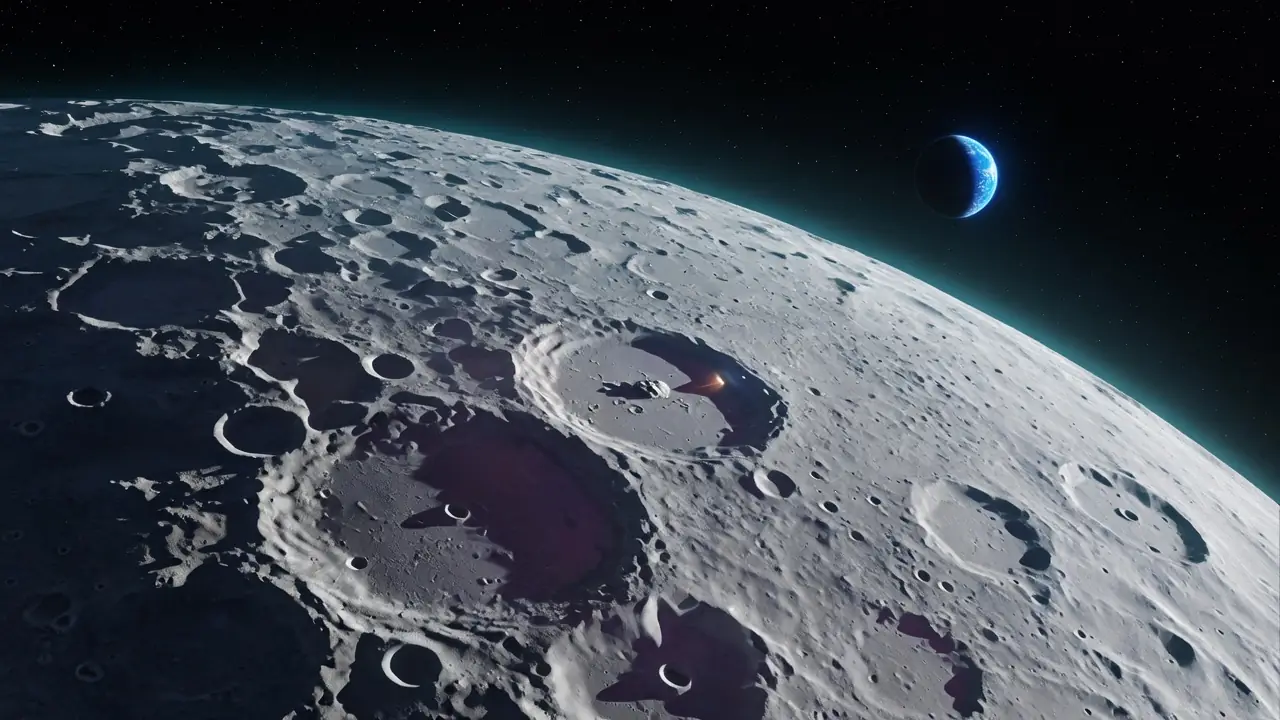
Each flight sits on the site it headed for: landed, tipped, hard landing, or planned. Crew and orbit flights stay off the plate. One photograph of the near side, and a plotted chart of the south pole. Click a flight to open its Moon Imports record.
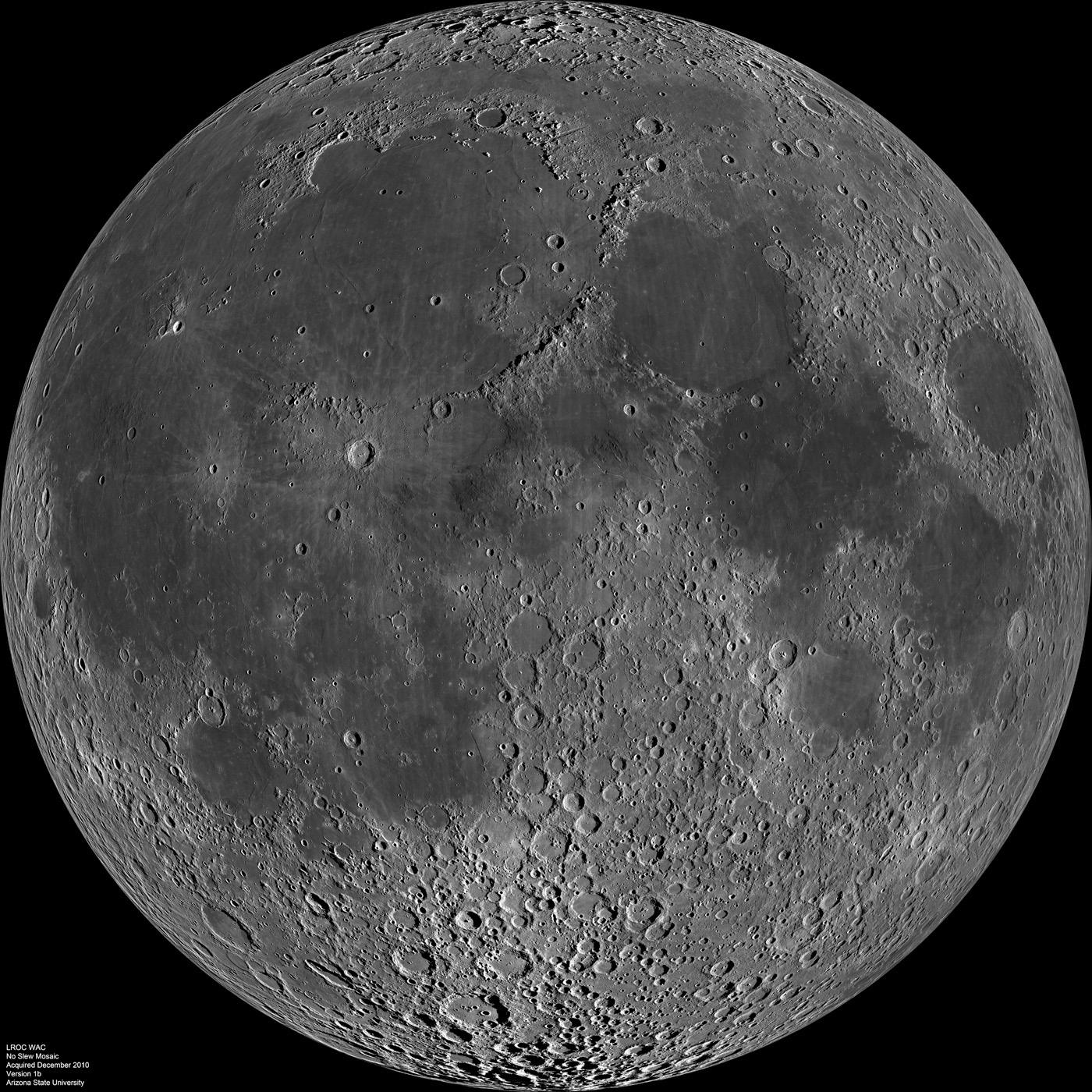
Photograph: NASA / GSFC / Arizona State University, LROC WAC nearside mosaic, public domain. The near-side plate is that photograph, clipped to the disk, under an orthographic graticule. The south pole plate is a drawing. Sites are the planned or intended target. Hard landings and flights that never arrived stay at the site they aimed for.
Program hub
A lasting presence near the south pole. NASA’s first three Moon Base landings fly in this order: Griffin-1 NET November 2026, then Endurance and Trinity in early 2027. Artemis III docks in low Earth orbit, targeted for Q3 2027.
| Mission | Who | Program | Rocket | When | Status | Cargo | Public $ |
|---|
Need a work PDF?
Pay on this page
Card stays with Stripe. You do not leave Moon Imports.
Change plan
One plan. Pick what you want next, then confirm the amount.
Moon Imports
The companies and work behind lunar missions, with the sources to follow each connection.
Inside the stack · 13
Follow FLIP, MAPP and VIPER from their builders to their mission objectives, and see how robotic exploration can prepare the ground for Artemis astronauts.
Read the storyInside the stack · 12
October’s power and surface mating calls set the next development steps toward NASA’s Moon Base. Follow the 2027 ground test target, relevant builders and mission records.
Read the storyInside the stack · 11
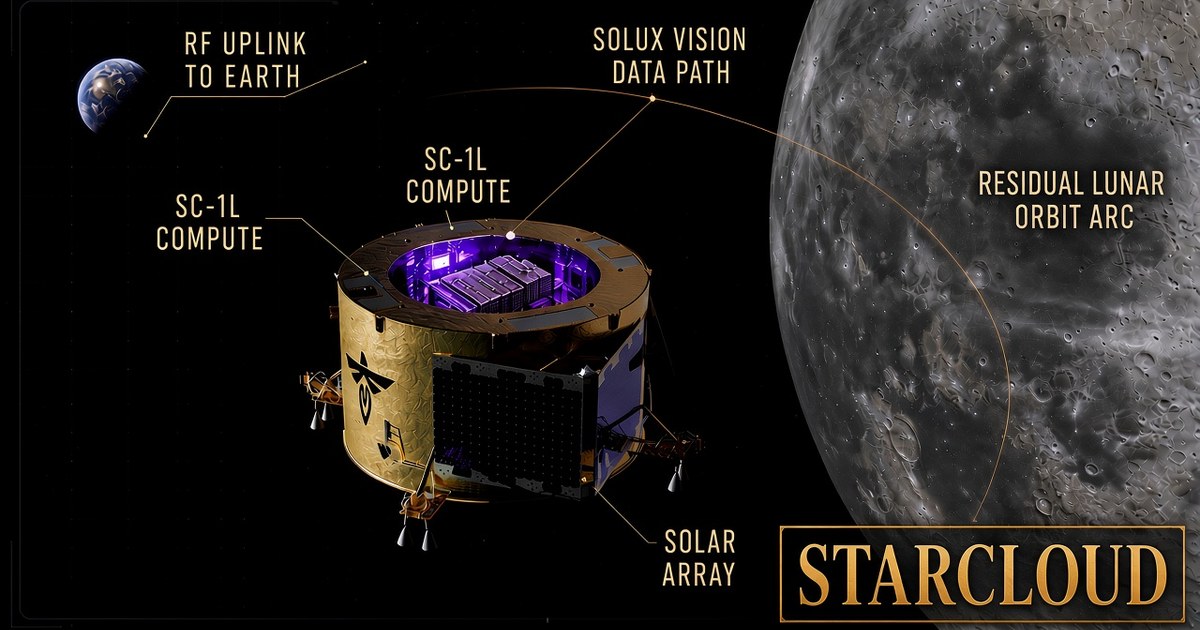
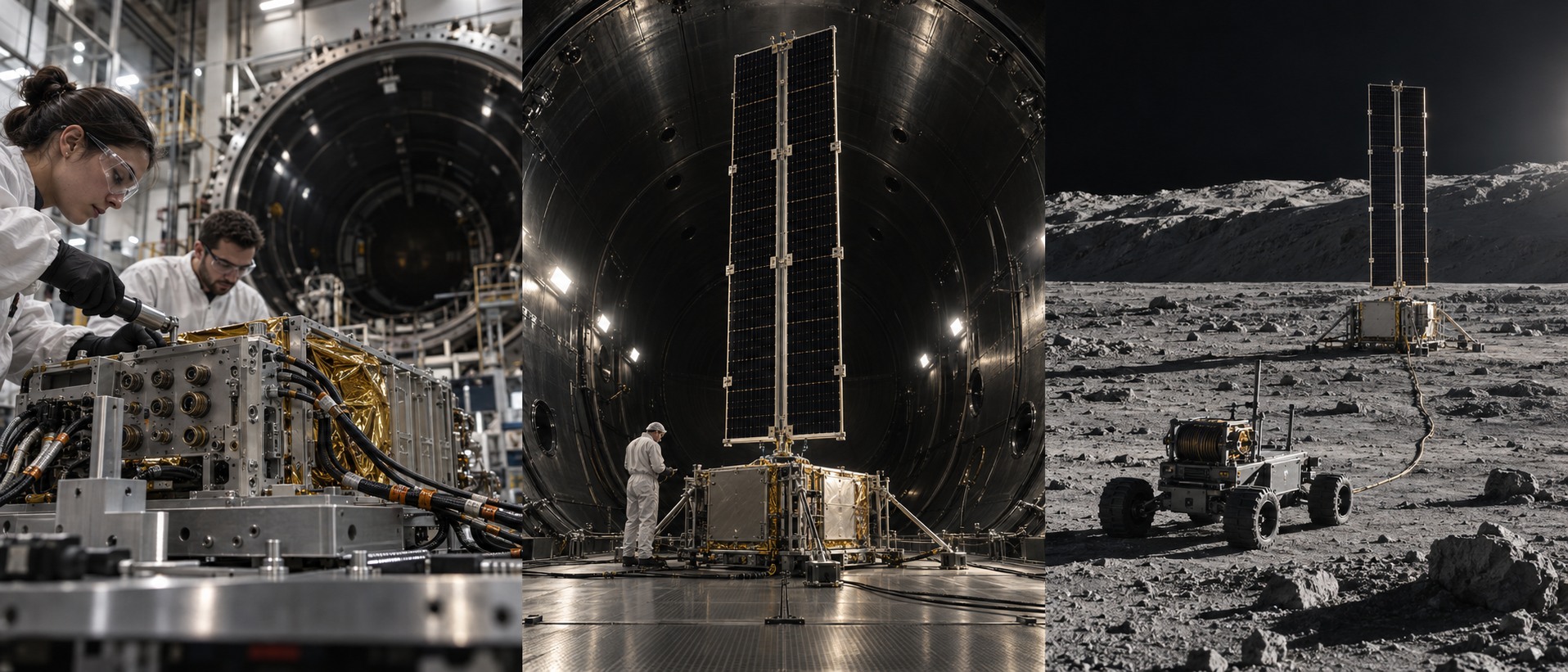
Eagle flew on 2,756 Philco-Ford NOR gate chips. Renesas circuits on SLIM, Montana State's RadPC and a Microchip PolarFire FPGA followed on recent landers. NVIDIA Jetson modules command Lunar Outpost's MAPP lidar on IM-3, first quarter 2027; Starcloud's SC-1L targets Elytra no earlier than 2028.
Read the storyInside the stack · 10
ispace builds ULTRA for its first landing, Mission 3, in 2028. Japan's Ministry of Economy, Trade and Industry funds the lander. Mitsubishi Heavy Industries launches it on H3. UEL's two wheeled SCARAB rover is booked to photograph the lander. On 6 October 2026 ispace selected ArianeGroup to supply the small thrusters that keep the route on course, and to install and test them.
Read the storyInside the stack · 09
NASA's Phase 2 plan puts roughly 60 tons on the south pole across 24 landings and about 27 launches, from 2029 through 2032.
Read the storyInside the stack · 08
SpaceX holds the agreement to put AYAP-1 into Earth orbit in the first half of 2027. From there DeltaV's Hybrid Propulsion System (HIS) does the lunar transfer, the roughly 100 km polar science orbit, and the planned hard impact. TÜBİTAK UZAY built the roughly 3.5 t TstarD-100 bus for the Turkish Space Agency under AYAP; 56 of 65 mission-critical parts are domestic; four science payloads ride along.
Read the storyInside the stack · 07
NASA Glenn awarded Modulate Space about $38 million for a lunar surface 5G Network-in-a-Box with Wi-Fi 6: lab work through January 2028, surface flight demonstration by the end of 2028.
Read the storyInside the stack · 06
Firefly signed Starcloud on 30 September 2026 to fly SC-1L AI compute on Elytra, which stays in lunar orbit for five years after Blue Ghost Mission 3.
Read the storyInside the stack · 05
Power, oxygen, and manufacturing for a future Moon Base. Follow NASA’s LEIA technology call and the Earth-side builders behind the work.
Read the storyInside the stack · 04
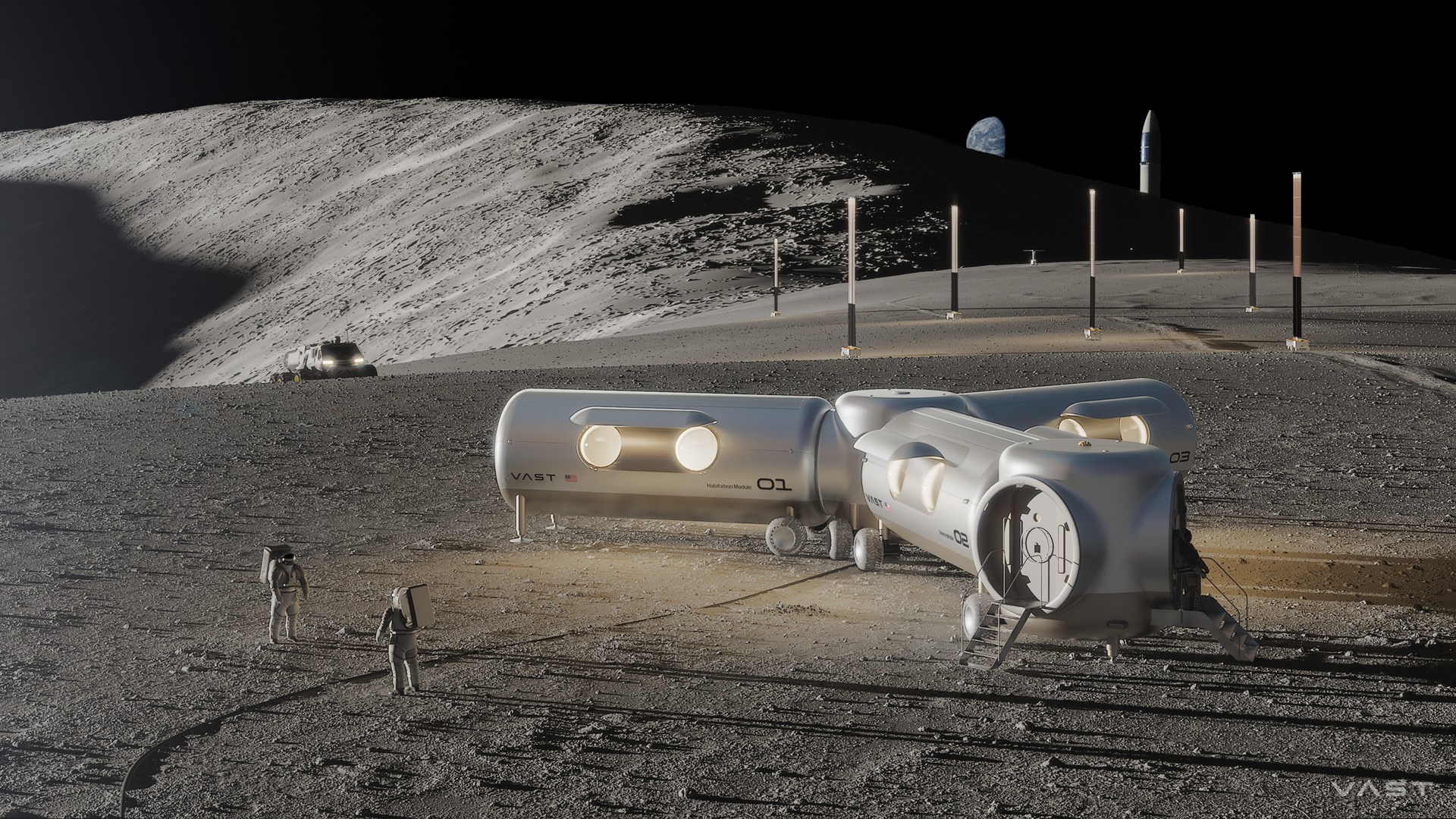
NASA is building toward a permanent Moon Base at the south pole: cargo first, then crew, with shared power and surface elements for long stay. On 23 September 2026 Vast opened Lunar Programs with a proposed power station, airlock, habitat, and south pole constellation. Haven Demo and Haven-1 are the Earth orbit proof.
Read the storyInside the stack · 03
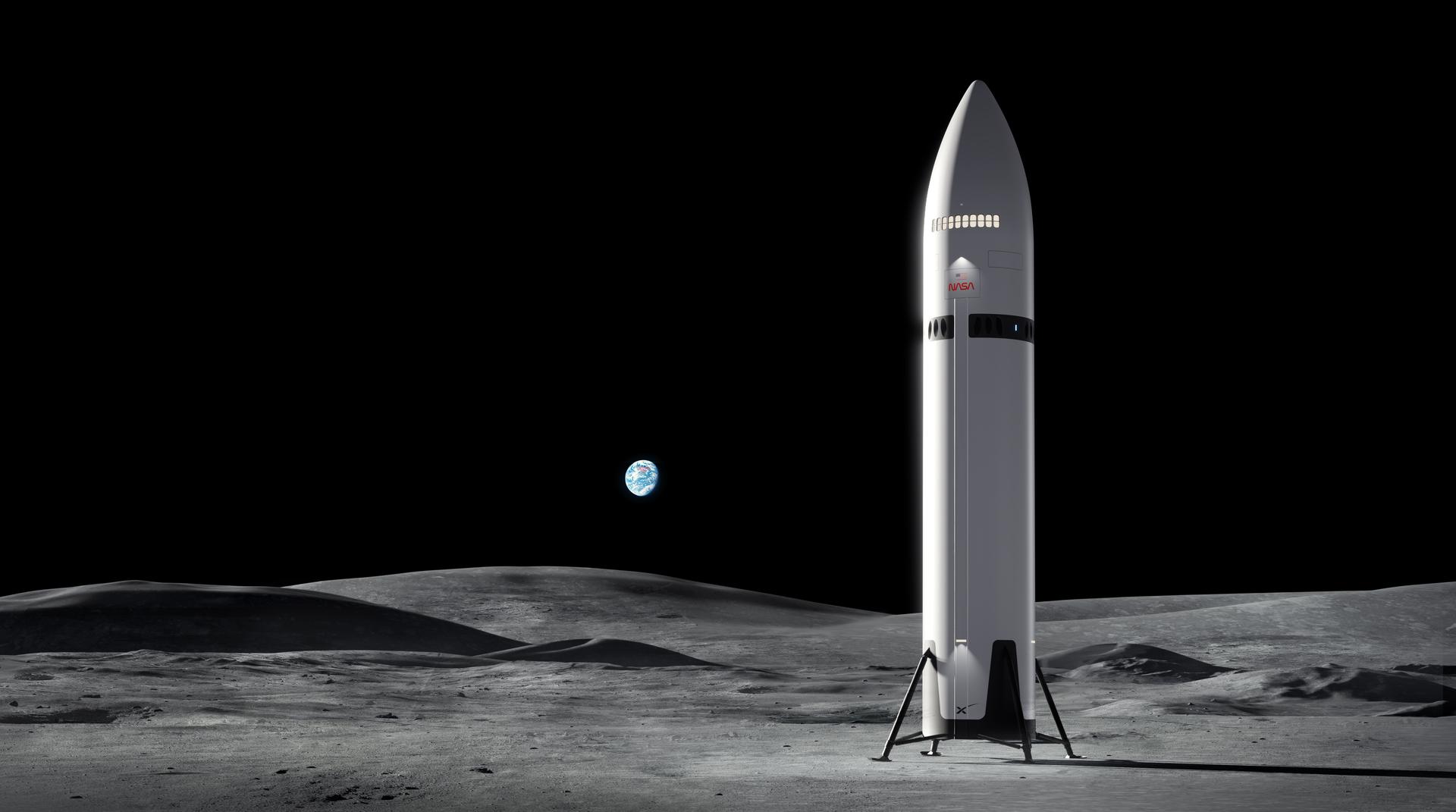
Starship’s first orbital cargo flight flew September 28. Follow the path to Moon cargo through HDR, Lerch Bates, Thompson, Axiom Space, Lockheed Martin, Toyota and JAXA.
Read the storyInside the stack · 02
NASA’s Moon Base manager still has Griffin on the 2026 board. Follow Astrobotic, SpaceX, Frontier, Agile, Astrolab, and Venturi on the record.
Read the storyInside the stack · 01
Six companies, one lunar landing. Follow the hardware and the work behind Firefly’s 2025 mission.
Read the story