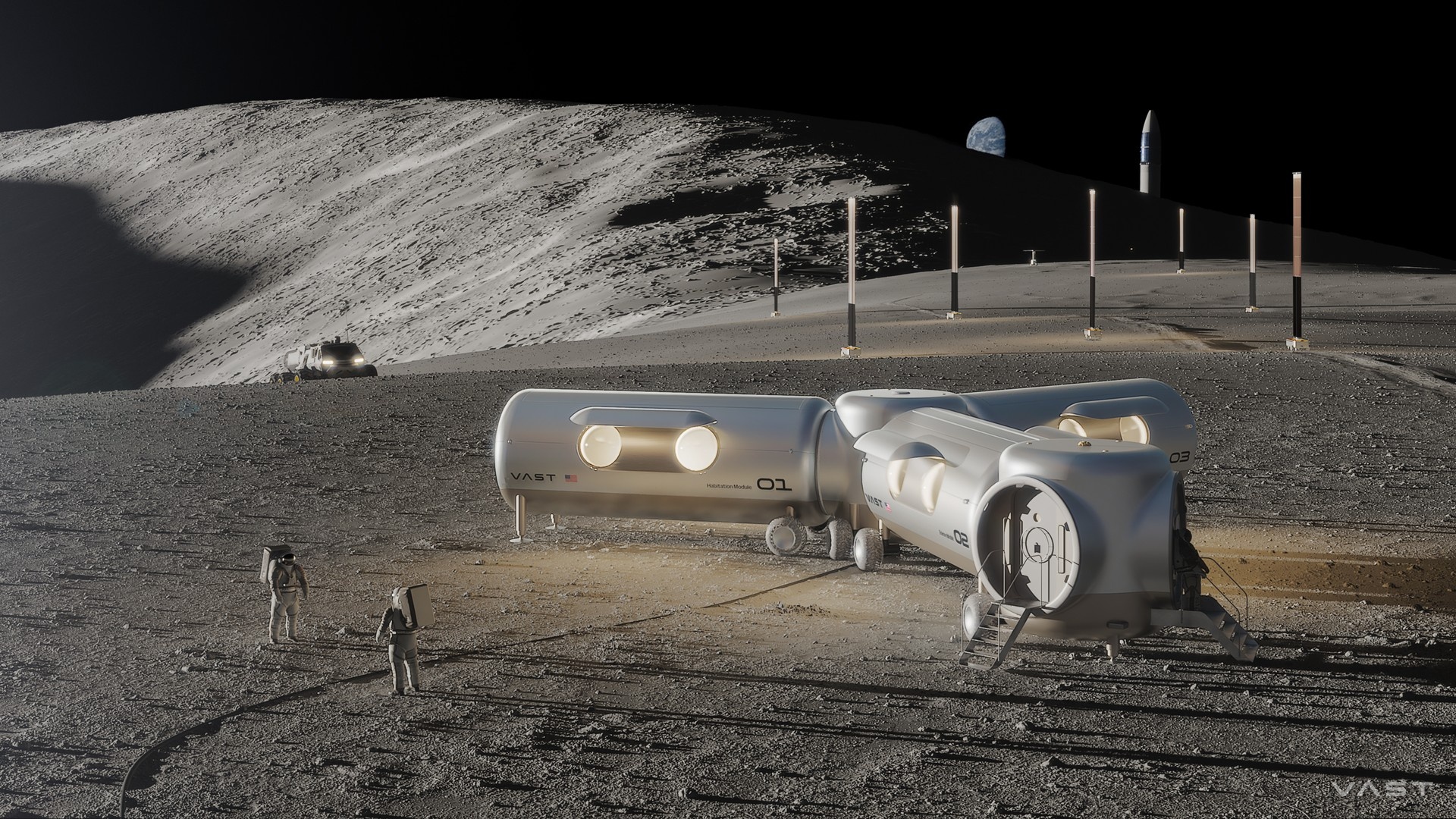
On 23 September 2026 Vast opened a Lunar Programs division. Haven Demo and Haven-1 are its Earth orbit heritage. The company now proposes a lunar power station, airlock, habitat, and south pole constellation built from that same work for NASA’s Moon Base path.
This is NASA's cargo-first Moon Base: landers put hardware on the land, then crew arrives. I, II, and III are NASA names, not fly order. Griffin-1 (II) is first on the clock.
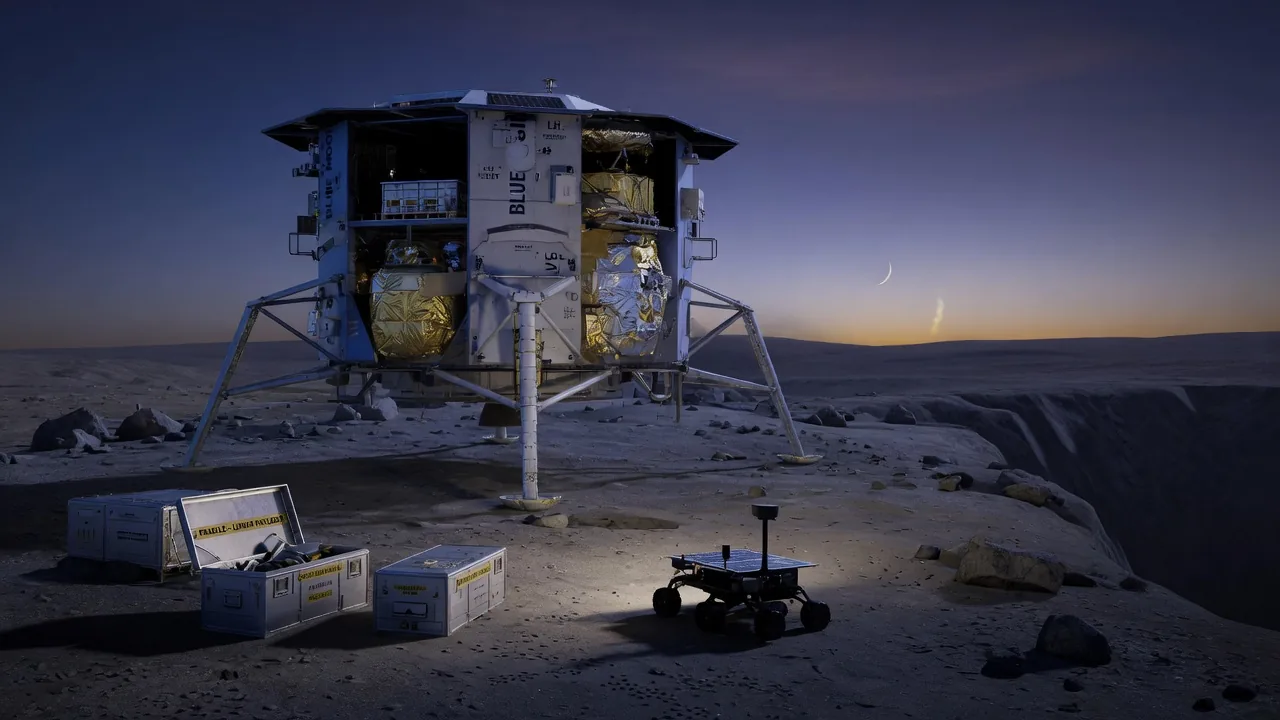
IEndurance · Blue Origin · Moon Base I cargo
IIGriffin-1 · Astrobotic · next on the clock · Nobile
IIITrinity · Intuitive Machines · south pole cargo
CrewArtemis III docks in Earth orbit. IV takes the first boots.
Each flight sits on the site it headed for: landed, tipped, hard landing,
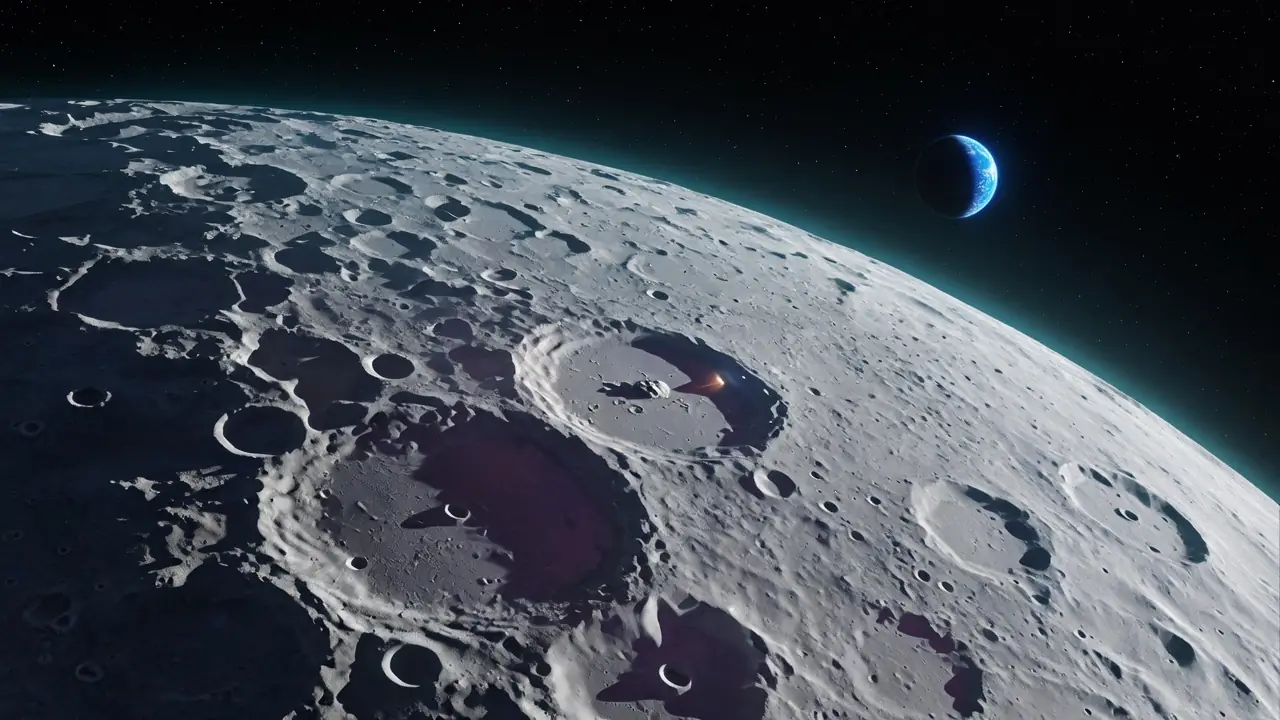
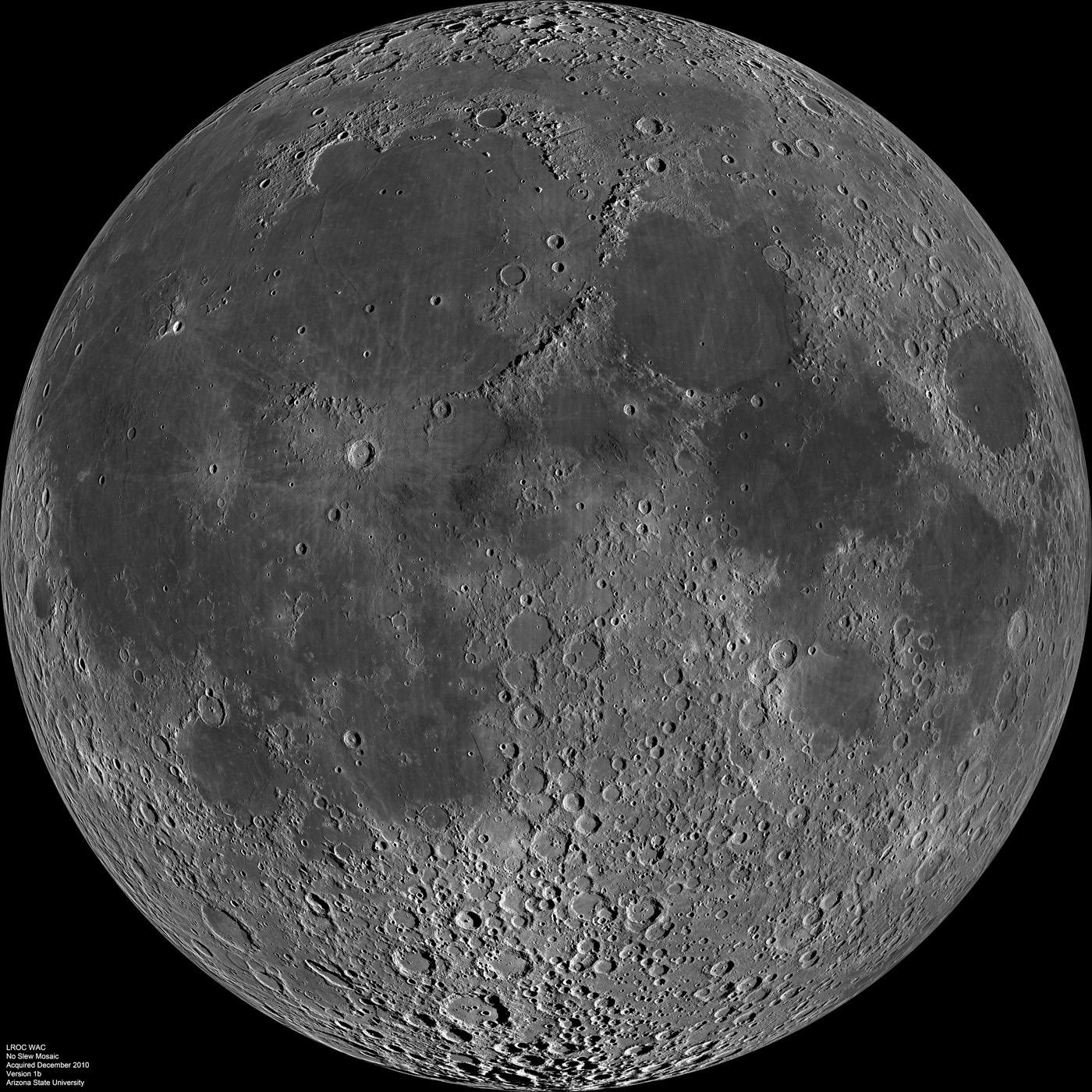
or planned. Crew and orbit flights stay off the plate. One photograph of the near side,
and a plotted chart of the south pole. Click a flight to open its Moon Imports record.
Photograph: NASA / GSFC / Arizona State University, LROC WAC nearside mosaic, public domain.
The near-side plate is that photograph, clipped to the disk, under an orthographic graticule.
The south pole plate is drawn, not photographed. Sites are the planned or intended target.
Hard landings and flights that never arrived stay at the site they aimed for.
Program hub
Moon Base
A lasting presence at the south pole. NASA’s I, II, and III are names, not the order they fly. Cargo first. Crew in parallel.
Mission
Who
Program
Rocket
When
Status
Cargo
Public $
Need a work PDF?
Pay on this page
Public-record file
Card stays with Stripe. You do not leave Moon Imports.
Change plan
Confirm this change
One plan. Pick what you want next, then confirm the amount.
Power that reaches a rover. Oxygen made from local rock. Parts produced between deliveries. NASA's LEIA call puts five pieces of a future Moon Base on the test bench. Here are the builders and the work behind them.
Moon Imports · Prepared 26 September 2026 · 8 min read
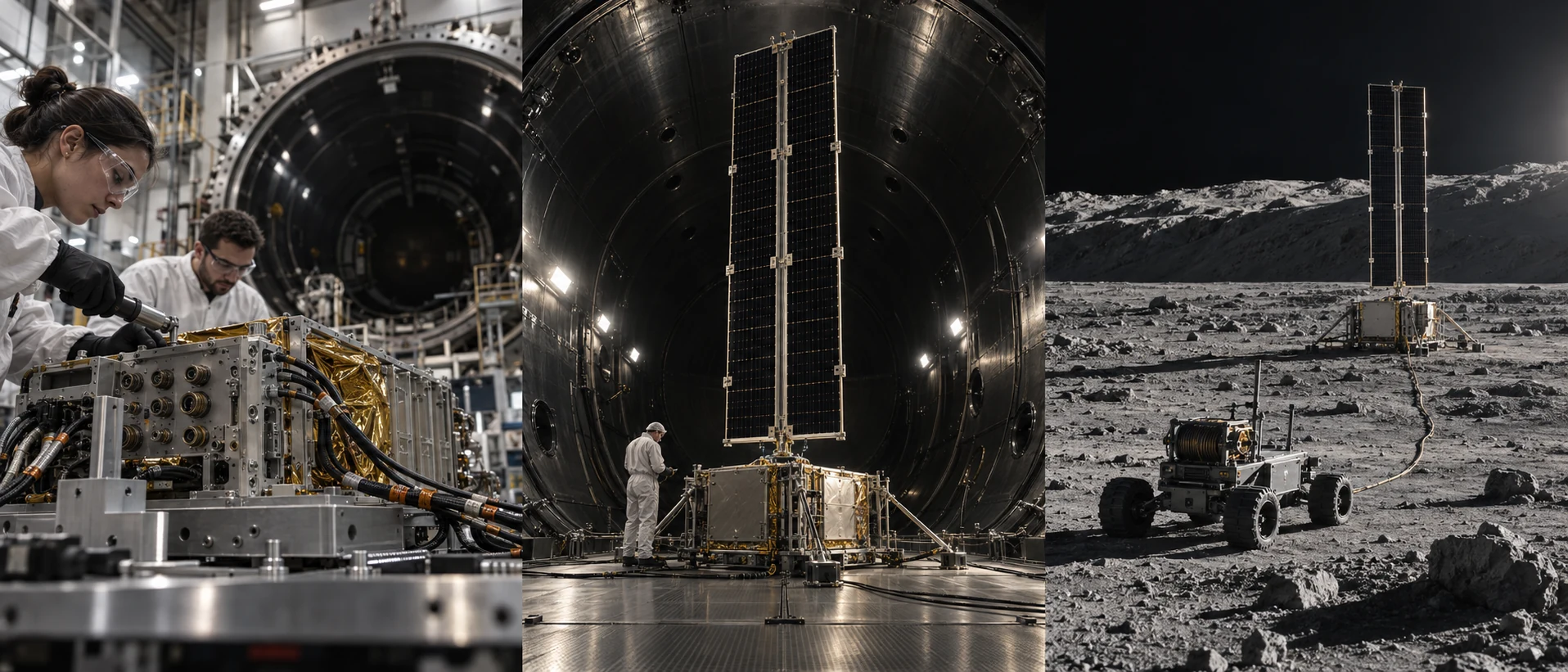
01 / EARTHBuild the hardware.
02 / QUALIFICATIONPrepare it for the conditions.
03 / LUNAR OPERATIONSPut it to work.
Earth to Moon / editorial concept. AI-generated illustration by Moon Imports showing a possible development path for surface power. Generic hardware; future flight and surface operations require separate development and procurement decisions. View artwork at full size ↗
The call
A Moon Base begins on the test bench
At NASA Johnson, technicians have already put full-height lunar solar array prototypes through chamber tests. The next challenge reaches into the equipment around them: power converters, thermal controls, and connections that let an array serve a rover or habitat.
The call is the Lunar Enabling Infrastructure Accelerator, or LEIA, issued as Appendix A of Next Space Technologies for Exploration Partnerships-3. It covers five areas: vertical solar arrays, oxygen extracted from lunar soil, radioisotope Stirling generators, manufacturing in space, and nanomaterials. NASA: LEIA overview ↗
Proposals are due 15 October 2026 at 5 p.m. EDT. NASA extended the original 8 October deadline in Amendment 2, dated 25 September. NASA: signed deadline amendment ↗
NASA is seeking prototypes and ground demonstrations under contracts lasting up to three years. The goal is evidence that can guide future missions. The companies below illustrate related development work; LEIA is an open competition. NASA: amended solicitation, sections 2, 3 and 9 ↗
Topic 01
Solar power has to reach the equipment
Vertical arrays lift solar panels above the ground to catch the low Sun near the lunar poles. LEIA's solar topic concentrates on the equipment around that generation: power electronics, thermal control, and connections to other surface systems. NASA wants a standardized 120-volt DC interface rated for 6 kilowatts, with stable power exchange across a 100-meter cable. Those figures describe the interface, rather than the output of an entire solar farm. NASA: Topic 1 objectives, sections 2 through 4 ↗
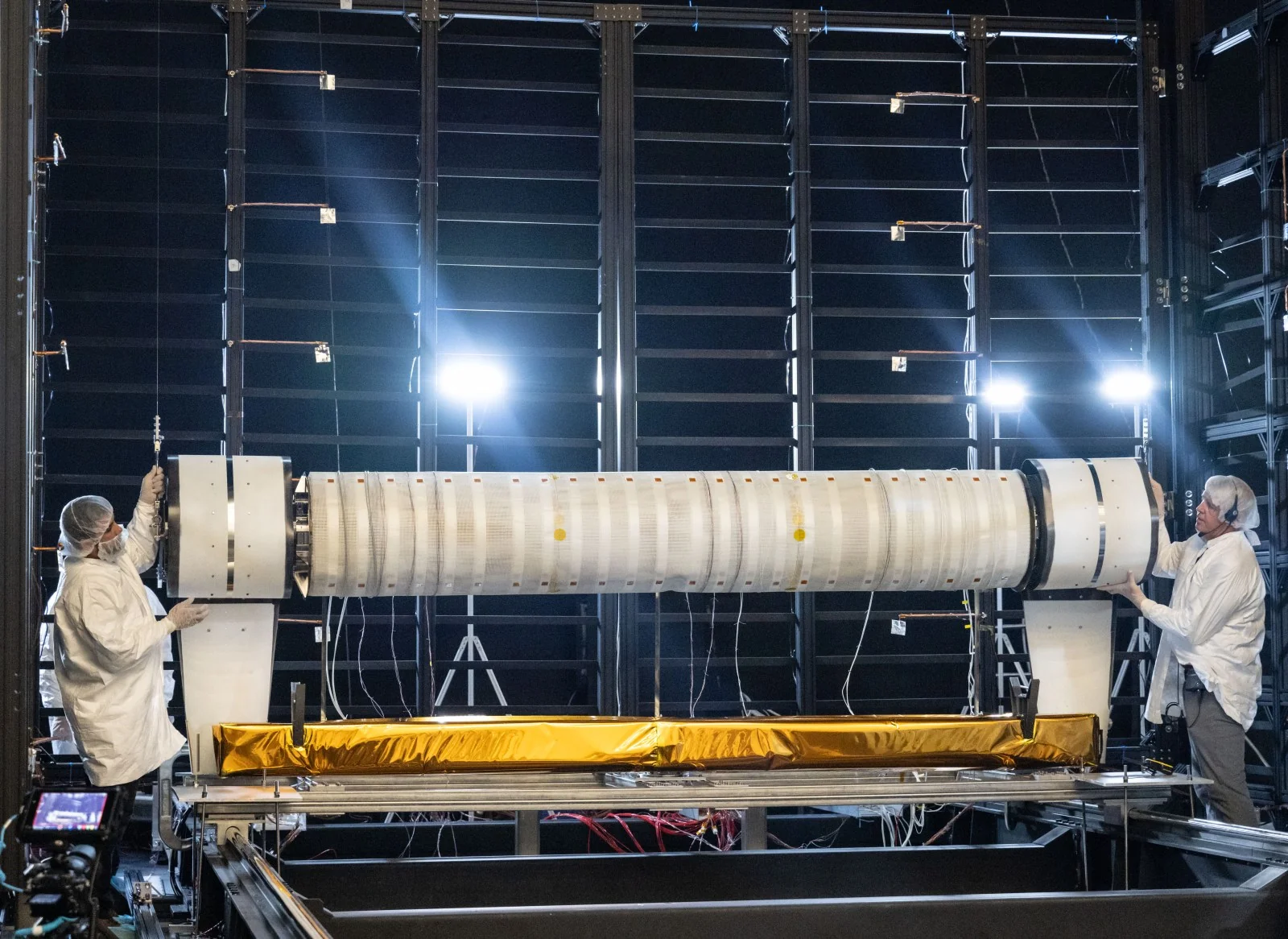
Astrobotic and Honeybee tested their prototypes in Chamber A at NASA Johnson during summer 2024. Those tests exercised deployment and performance under simulated lunar conditions. NASA: the Chamber A tests ↗
In its separate LunaGrid-Lite program, Astrobotic reported starting flight hardware production in August 2025. Astrobotic says it co-developed the high-voltage converter with NASA Glenn. Its system also includes a CubeRover and cable deployer. This kind of distribution would let equipment operate away from the power source. Astrobotic: LunaGrid-Lite development update ↗
Built on Earth, tested for the Moon. Astrobotic’s vertical solar array prototype at NASA Johnson in 2024, under the earlier VSAT project. Credit: NASA/James Blair. Inside the Chamber A tests ↗
Topic 02
Oxygen production has to run as a system
Lunar regolith, the loose rock and dust on the surface, contains oxygen bound in minerals. LEIA asks teams to extract it from regolith simulant, an Earth-made stand-in, in a ground demonstration linking material feeding, extraction, and gas cleanup. The product must be clean and dry enough for future liquefaction. Local production could reduce the oxygen shipped from Earth for propellant. NASA: Topic 2 objectives, sections 2 through 5 ↗
The test has to run for at least 48 continuous hours. NASA wants operators to measure output, energy use, extraction efficiency, contaminants, and consumables. The architecture must also be scalable to 10 metric tons of oxygen a year. That is a scaling requirement for the proposed technology; the solicitation encourages a smaller pilot demonstration. NASA: oxygen performance requirements, 1.1 through 1.7 ↗
01 / FEEDRegolith simulantSupply material to the process
02 / EXTRACTRelease oxygenSeparate it from the minerals
03 / CLEANPurify & dryRemove unwanted substances
04 / VERIFYMeasure outputTrack purity, yield, and energy
The ground demonstration uses regolith simulant and must run for at least 48 hours. Upstream excavation and sorting, large-scale transport, and downstream liquefaction and long-duration storage beyond demonstration needs sit outside this topic. Diagram: Moon Imports, based on NASA’s Topic 2 objectives and performance requirements linked above.
Topic 03
Stirling generators make electricity from heat
Radioisotope systems use heat from radioactive decay. A Stirling generator converts that heat into electricity, making it useful where sunlight is limited. LEIA calls for an electrically heated prototype that simulates the heat source and operates with a simulated spacecraft electrical system. NASA's stated targets include 50 to 150 watts of electrical output and at least 20 percent system efficiency. NASA: Topic 3 objectives, sections 3 and 4 ↗
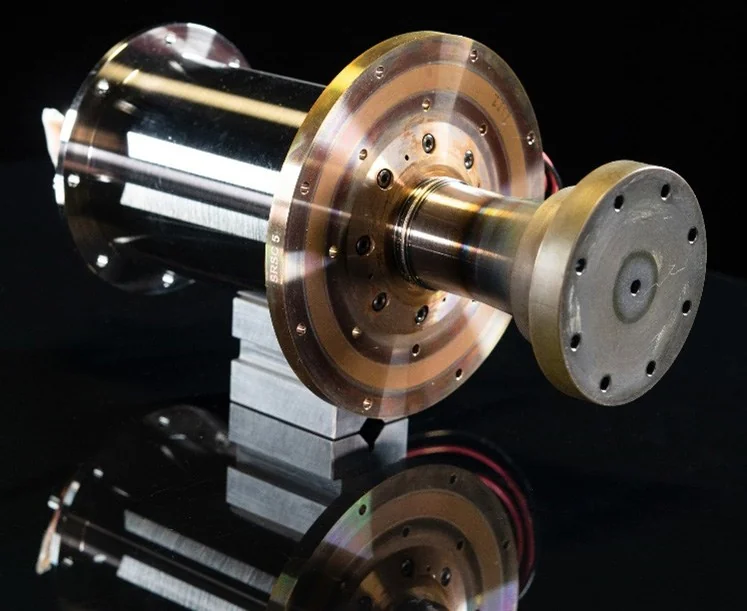
Sunpower developed the Robust Stirling Convertor, the component that turns heat into electrical output. A 2022 generator design by NASA Glenn, the Department of Energy, and Aerojet Rocketdyne incorporated eight of those units. Glenn also worked with the University of Leicester on a separate americium-241 Stirling concept. NASA Glenn: Stirling development and contributors ↗
A related flight demonstration is planned for 2028 or later. Firefly's announced agreement places Zeno Power's Survive-the-Night Package on a Blue Ghost near-side mission. Its americium-241 heater is rated at 5 watts of thermal power. Zeno aims to demonstrate night-survival heating; LEIA seeks a generator that converts heat into electricity. Both address longer surface operations. Firefly: Zeno payload agreement, 19 August 2026 ↗
Inside the power system. Sunpower’s 60-watt Robust Stirling Convertor. This is earlier development hardware; LEIA’s targets apply to a proposed generator system. Credit: NASA. Hardware and development history ↗
Topic 04
A manufactured part has to pass inspection
Making a replacement component during a mission means handling material, forming the part, checking its quality, and dealing with faults. LEIA's manufacturing topic asks teams to demonstrate that connected workflow for a relevant space environment. The work includes monitoring and inspection with limited crew intervention, using materials such as metals, polymers, composites, or regolith-derived feedstocks. NASA: Topic 4 objectives, sections 2 through 5 ↗
Redwire's FabLab offers an earlier example. In March 2023, the company announced a NASA contract to complete its design for making tools and components from several materials, with testing planned aboard the International Space Station. For a lunar crew, the eventual value is a usable tool or replacement part made between deliveries. Redwire: FabLab design contract, 23 March 2023 ↗
Advanced materials need a reliable production line
A spacecraft builder needs material that performs consistently across a production run. LEIA's fifth topic covers materials including carbon nanotubes, boron nitride nanotubes, and graphene. Teams can address production at larger scales, structural components, or applications such as sensors and wiring. NASA asks for measurable improvements in performance and evidence of a workable supply chain. NASA: Topic 5 objectives, sections 2 through 5 ↗
The large-scale production objectives include long lengths of fiber-like material and meter-scale sheets, checked for strength and consistency. NASA targets Manufacturing Readiness Level 5 for that work. The test is whether a promising sample can become a dependable supply. NASA: Topic 5 performance outcomes, section 4 ↗
A 2018 NASA contract supported Nanocomp Technologies in Merrimack, New Hampshire, in developing stronger carbon nanotube yarn and tape, expanding production, and lowering costs. NASA Langley managed the project. That factory work helps make lighter structures practical to build and qualify. NASA: Nanocomp manufacturing contract, 27 September 2018 ↗
Earth build / documented contributors
The people behind the hardware
Documented roles in earlier and related programs. These are development examples, not a roster of LEIA awardees or subcontractors.
LEIA advances technology through laboratory and ground testing. The separate NextSTEP-3 Appendix B, Moon Base Demonstrations, seeks more mature systems with a path to flight or lunar surface demonstration. NASA: scope boundary between Appendices A and B ↗
The immediate work is tangible: build the equipment, test its interfaces, and give the next team data it can use. NASA intends those results to inform future lunar capabilities. NASA: purpose of the resulting contracts ↗
For people who design power electronics, move powders, inspect parts, or make structural materials, these are familiar skills with a lunar destination. A converter, a feed system, a dependable length of material: each can become something another builder relies on. Put those pieces together, and a longer working day on the Moon becomes possible.